🚀 Hooking Introduction
Are you tired of inconsistent municipal water supply or concerned about water scarcity? A water bore well could be your ultimate solution for clean, reliable, and uninterrupted water access. Unlike traditional wells, a water bore well taps into deeper underground aquifers, ensuring a sustainable source of safe drinking and irrigation water.
In this guide, we’ll explore everything you need to know—from how a water bore well works to installation, maintenance, and cost considerations. Let’s dive in!
🧱 SEO-Friendly Structure & Headings
🔍 What is a Water Bore Well?
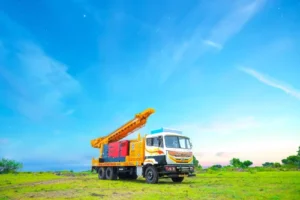
A water bore well is a deep, narrow well drilled into the ground to extract water from underground aquifers. It uses specialized drilling equipment to reach depths where water is naturally stored, making it ideal for residential, agricultural, and industrial use.
Key differences between a borewell and traditional wells:
- Greater depth (100–1000+ feet)
- Uninterrupted water supply
- Reduced contamination risk
- Long-term reliability
Learn more about borewell installation in Beeramguda for expert services.
⚙️ How Does a Water Bore Well Work?
A water bore well extracts water through:
- Drilling – Machines bore deep into the earth.
- Casing Installation – Steel/plastic casings prevent collapse and contamination.
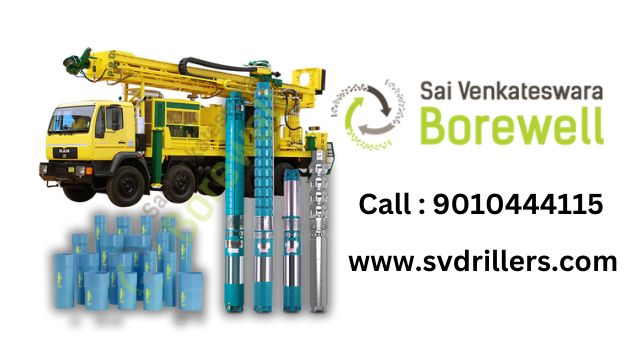
- Pump System – Submersible or jet pumps bring water to the surface.
- Filtration (if needed) – Ensures clean drinking water.
📌 Benefits of a Water Bore Well
✅ Consistent Supply – No dependency on municipal water schedules.
✅ Cost-Effective – Lower long-term costs compared to water tankers.
✅ High-Quality Water – Naturally filtered through geological layers.
✅ Great for Agriculture & Industry – Supports irrigation and heavy usage.
Check out sustainable water solutions for more details.
💰 Cost of Installing a Water Bore Well
Factors affecting pricing:
- Depth (usually ₹50–₹200 per foot)
- Soil type (hard rock drilling is costlier)
- Pump quality (submersible vs. open-well pumps)
- Geographic location
Pro Tip: Budget-friendly borewell options can help you save money.
🧩 FAQ Section (Structured for Featured Snippets)
1. How deep should a water bore well be?
A borewell should reach at least 200–500 feet for reliable water. Deeper wells increase sustainability.
2. Is borewell water safe to drink?
Yes, if filtered. Underground water is naturally clean, but testing for minerals and contaminants is recommended.
3. How long does a borewell last?
With proper maintenance, a water bore well can last 20–30 years or more.
4. Can a borewell run dry?
Yes, if the groundwater level drops. Deep drilling and proper site selection minimize this risk.
5. What maintenance does a borewell need?
- Regular cleaning
- Pump servicing
- Water quality testing
For professional borewell services, consult experts.
✨ Conclusion & Strong CTA
A water bore well ensures clean, reliable water access for homes, farms, and businesses. From drilling to maintenance, understanding the process helps you make informed decisions.
🚀 Need expert help?
📞 Call us today at +91 9010444115
🌐 Visit SV Drillers for a free consultation!
📋 Keyword & URL References
- Water bore well
- Borewell installation
- Underground water extraction
- Submersible pumps
- Sustainable water solutions
For professional digital marketing and web design solutions, check out Vebnox.
By following these guidelines, your water bore well journey will be smooth and efficient!