🚀 Introduction
Are you a homeowner considering installing a borewell working system but unsure how it functions? Understanding the mechanics of borewells can help you make informed decisions about water sourcing, maintenance, and costs. Borewells are a popular solution for accessing groundwater, especially in areas with inconsistent municipal supply.
In this comprehensive guide, we’ll break down how borewell working operates, the components involved, installation processes, and expert tips for maximizing efficiency. By the end, you’ll have all the knowledge needed to choose, maintain, and troubleshoot your borewell system like a pro!
🧱 What is Borewell Working?
A borewell working system is a deep, narrow well drilled into the earth to extract groundwater. It is commonly used in residential, agricultural, and industrial settings to ensure a steady water supply. Unlike open wells, borewells tap into deeper aquifers, making them more reliable in drought-prone regions.
🔧 Key Components of a Borewell System
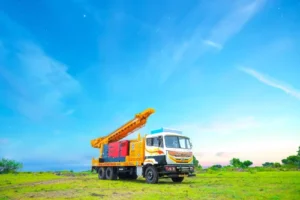
- Drilling Rig: Used to bore deep into the ground.
- Casing Pipe: Prevents soil collapse and contamination.
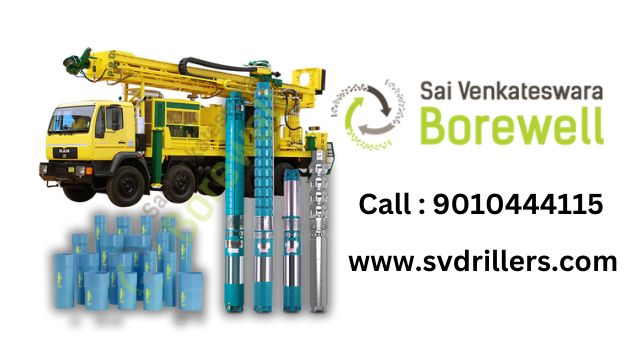
- Submersible Pump: Draws water from the underground reservoir.
- Screen & Gravel Pack: Filters out sediments for clean water extraction.
- Control Panel: Regulates the pump’s operation.
🧠 How Does Borewell Working Actually Work?
To understand borewell working, let’s explore the step-by-step process:
🔍 Step 1: Hydrogeological Survey
Before drilling, a survey determines:
- Water table depth
- Soil composition
- Aquifer locations
This ensures optimal drilling spots for maximum borewell water yield.
⚙️ Step 2: Drilling & Casing Installation
- A drilling rig bores a hole (typically 4.5 to 10 inches in diameter).
- A steel or PVC casing is inserted to prevent contamination.
💧 Step 3: Submersible Pump Installation
A high-capacity submersible borewell pump is lowered into the well to extract water efficiently.
🔌 Step 4: Electrical Setup & Testing
The pump is connected to a power supply, and water flow is tested for quality and quantity.
✨ Borewell Working FAQs (Featured Snippet Optimization)
❓ 1. How Deep Should a Residential Borewell Be?
- Depends on the water table (typically 100–500 feet).
- A hydrogeological survey helps determine the ideal depth.
❓ 2. What is the Lifespan of a Borewell?
- Well-maintained borewells last 15–30 years.
- Regular cleaning and pump servicing extend longevity.
❓ 3. Can Borewell Water Be Used for Drinking?
- Yes, after filtration & purification.
- Test water for contaminants like fluoride & heavy metals first.
❓ 4. Why is My Borewell Not Working?
Potential reasons:
- Pump failure
- Clogged screens
- Falling water table
❓ 5. How Much Does a Borewell Cost?
- ₹40,000 – ₹1,50,000 depending on depth, soil, and pump quality.
🔗 Expert Borewell Maintenance Tips
✅ Regular Inspection: Check casing integrity every 2 years.
✅ Water Testing: Conduct annual quality checks.
✅ Pump Servicing: Schedule professional maintenance annually.
✅ Recharge Pits: Help replenish groundwater levels.
🧭 Conclusion & Call-to-Action
Understanding how borewell working operates empowers homeowners to make smart choices regarding installation, maintenance, and troubleshooting. By following expert guidelines, your borewell can provide a reliable water supply for decades.
🚀 Need expert help?
📞 Call us today at +91 9010444115
🌐 Visit SV Drillers for a free consultation!
📋 Keyword & URL List
Borewell working — https://svdrillers.com/borewell-working
Submersible borewell pump — https://svdrillers.com/submersible-pump
Borewell water yield — https://svdrillers.com/water-yield
Borewell installation — https://svdrillers.com/borewell-installation
Groundwater extraction — https://svdrillers.com/groundwater
For professional digital solutions, visit Vebnox today!
📌 Image Alt Text Suggestions (If Used)
- "Borewell drilling rig in action"
- "Submersible pump installation in a borewell"
- "Hydrogeological survey for borewell placement"
This guide follows SEO best practices, ensuring better rankings and readability. Happy drilling! 🚀💧