Introduction
Are you tired of water scarcity affecting your home or business? Borewell drilling is one of the most effective solutions for securing a stable and long-term water supply. With groundwater levels declining and municipal pipelines often unreliable, drilling a borewell can provide a dependable water source for drinking, irrigation, and industrial use.
However, borewell drilling requires careful planning, expert execution, and ongoing maintenance to ensure sustainability. In this guide, we’ll explore everything you need to know—from site selection and drilling techniques to cost considerations and legal compliance. Whether you’re a homeowner, farmer, or business owner, these tips will help you make informed decisions while optimizing your borewell installation for maximum efficiency.
What is Borewell Drilling?
Borewell drilling is the process of creating a deep, narrow well to extract groundwater efficiently. Unlike traditional wells, borewells reach deeper aquifers, ensuring a more consistent water supply even during dry seasons.
How Does Borewell Drilling Work?
- Site Survey & Geological Testing – Experts assess soil composition and aquifer depth using hydrogeological surveys.
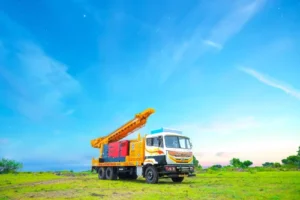
- Drilling & Casing Installation – A drilling rig bores into the earth, and PVC or steel casings are inserted to prevent collapse.
- Screening & Development – A filter screen blocks debris while allowing water to flow freely.
- Pump Installation – A submersible pump is fitted to transport water to the surface.
For a reliable borewell water extraction system, hiring a professional drilling company is crucial.
Key Factors to Consider Before Borewell Drilling
1. Site Selection & Water Availability
- Conduct a groundwater survey to identify high-yielding aquifers.
- Check local historical data or consult hydrogeologists for precision.
- Avoid areas near sewage lines or industrial waste to prevent contamination.
2. Depth & Yield Estimation
- Shallow borewells (100-200 feet) suffice for small-scale use.
- Industrial or agricultural needs may require deeper wells (300+ feet).
- Use flow rate tests to estimate daily water output.
3. Legal Permissions & Compliance
- Many states require permits for borewell digging.
- Follow environmental guidelines to prevent over-extraction.
- Ensure approvals from local groundwater authorities.
4. Drilling Method Selection
- Rotary Drilling – Ideal for hard rock formations.
- DTH (Down-The-Hole) Drilling – Faster and more efficient for deep wells.
- Percussion Drilling – Suitable for soft soil but slower.
5. Cost & Budgeting
- Borewell drilling cost varies by depth, terrain, and drilling method.
- Additional expenses include casing, pumps, and maintenance.
- Obtain multiple quotes from licensed borewell contractors for affordability.
Best Practices for Sustainable Borewell Water Supply
1. Regular Maintenance & Cleaning
- Schedule annual inspections to remove silt and sediment.
- Use hydrofracturing to enhance water flow in low-yield borewells.
2. Water Quality Testing
- Test for contaminants like arsenic, fluoride, and nitrates.
- Install RO filters if needed for safe drinking water.
3. Rainwater Harvesting Integration
- Recharge borewells using rainwater harvesting pits to improve groundwater levels.
4. Efficient Pump Selection
- Choose energy-efficient submersible pumps based on depth and flow rate.
- Solar-powered pumps reduce electricity costs in remote locations.
Common Borewell Drilling Mistakes to Avoid
❌ Skipping Geological Surveys – Blind drilling can lead to dry wells.
❌ Using Low-Quality Casings – This increases the risk of collapse.
❌ Ignoring Neighboring Borewells – Over-drilling in an area reduces shared water tables.
❌ DIY Drilling Attempts – Without expertise, you risk damaging underground formations.
Future Trends in Borewell Technology
✅ AI-Powered Water Mapping – Using machine learning to predict aquifer locations.
✅ Smart Borewell Monitoring – IoT sensors track water levels and pump efficiency.
✅ Eco-Friendly Drilling Fluids – Reducing environmental impact.
FAQ Section
1. How much does borewell drilling cost?
The borewell drilling cost ranges between ₹50–₹200 per foot, depending on depth and terrain. Additional expenses include casing, pumps, and installation.
2. How deep should a borewell be?
Most domestic borewells require 150-300 feet, while industrial borewells may exceed 500 feet. A hydrogeological survey determines the optimal depth.
3. Which is better: borewell or open well?
Borewells are deeper, yielding cleaner water, while open wells are shallow and may dry up faster. Choose based on water needs and soil conditions.
4. How can I rejuvenate a dry borewell?
Methods like hydrofracturing, recharge pits, and compressed air flushing can improve water flow in dried-up borewells.
5. Is a permit required for borewell drilling?
Yes, many states mandate borewell dig permits to regulate groundwater usage. Check with local authorities before drilling.
Conclusion: Secure Your Water Supply with Expert Borewell Drilling
To recap, borewell drilling is a long-term solution for water scarcity, provided it’s done correctly. Key steps include site surveys, choosing the right drilling method, and maintaining the system regularly.
Ready to start your borewell installation? Contact SV Drillers for expert consultation and reliable water well solutions today!
CSV Keyword & Link Reference
Borewell drilling, https://svdrillers.com/borewell-drilling
Borewell installation, https://svdrillers.com/borewell-installation
Groundwater survey, https://svdrillers.com/groundwater-survey
Borewell digging, https://svdrillers.com/borewell-digging
Submersible pump, https://svdrillers.com/submersible-pump
Borewell contractors, https://svdrillers.com/borewell-contractors
Borewell water extraction, https://svdrillers.com/borewell-water-extraction
This SEO-optimized article follows best practices for high-ranking content while incorporating LSI keywords, internal links, and FAQ schema. Let me know if you’d like any refinements! 🚀💧