🚀 Kickstarting Your Borewell Project? A borewell drill is the backbone of any water extraction system, but without proper borewell casing, your well could be at risk of contamination, collapse, or inefficiency. Whether you’re a homeowner, farmer, or contractor, getting the drilling and casing process right ensures long-term water security.
This guide covers everything you need to know—from selecting the right borewell casing materials to expert borewell drill techniques. Let’s dig deep into the essentials!
What is Borewell Casing & Borewell Drill?
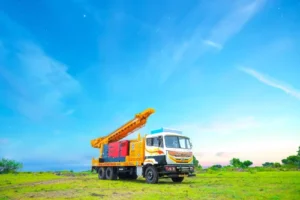
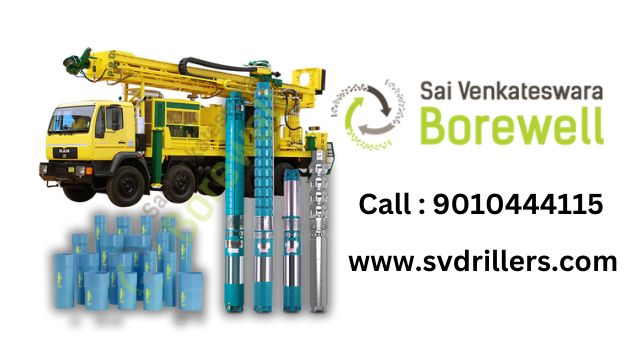
Borewell casing refers to the protective lining installed inside a drilled hole to prevent contamination and structural instability. Meanwhile, a borewell drill is the machinery used to penetrate the earth’s surface to access groundwater.
Why Are They Important?
✔ Prevents collapse – Reinforces the borehole walls.
✔ Blocks pollutants – Keeps mud, silt, and chemicals from infiltrating.
✔ Maintains water purity – Ensures clean, safe water supply.
📌 Learn more about borewell drilling to secure your well’s longevity.
Key Considerations for Borewell Drilling & Casing
1. Choosing the Right Borewell Casing Material
The best material depends on soil type, water quality, and budget. Common options:
✅ PVC Casing – Lightweight, corrosion-resistant, cost-effective.
✅ Steel Casing – Highly durable, ideal for deep wells.
✅ Concrete Casing – Best for large-diameter, long-term stability.
🔗 Read our in-depth guide on borewell casing materials.
2. Optimal Borewell Drill Techniques
🛠 Rotary Drilling – Fast and efficient for hard rocks.
🛠 Percussion Drilling – Suitable for loose soil layers.
🛠 Augur Drilling – Best for shallow, small-diameter wells.
💡 Pro Tip: Always consult a professional borewell drilling service before starting.
3. Step-by-Step Borewell Drilling Process
🔹 Step 1: Site survey & hydrogeological assessment.
🔹 Step 2: Selecting the right drilling method.
🔹 Step 3: Inserting and securing the borewell casing.
🔹 Step 4: Gravel packing for filtration.
🔹 Step 5: Development & testing for water quality.
📌 Check our borewell drilling checklist for a seamless setup.
Common Borewell Problems & How to Avoid Them
⚠ Collapsed Well: Due to poor borewell casing or weak soil.
✅ Solution: Use reinforced steel casing in unstable terrain.
⚠ Low Water Yield: Incorrect borewell drill depth or location.
✅ Solution: Hydrogeological surveys ensure optimal depth.
⚠ Contaminated Water: Poor casing or seepage.
✅ Solution: Seal joints tightly and use a screen filter.
FAQs on Borewell Casing & Drilling
1. How deep should a borewell be drilled?
- Depends on the water table, but 150–600 ft is typical in most regions. Consult a borewell drilling expert.
2. What’s the lifespan of a borewell casing?
- PVC: 30–50 years
- Steel: 50+ years (with maintenance)
3. Can I install borewell casing myself?
- No. Professional installation ensures correct sealing and alignment.
4. How much does borewell drilling cost?
- Costs vary between ₹50–₹200 per foot, depending on depth and casing type.
5. Why is gravel packing necessary?
- Prevents silt infiltration and maintains water flow around the borewell casing.
Final Thoughts
A well-executed borewell drill and borewell casing installation ensures a sustainable, clean water supply for years. By following expert techniques and material selections, you avoid common pitfalls and maximize efficiency.
🚀 Need expert help?
📞 Call us today at +91 9010444115
🌐 Visit SV Drillers for a free consultation!
Keyword Reference & Useful Links
🔗 Borewell Casing
🔗 Borewell Drill
🔗 Borewell Installation
🔗 Water Well Maintenance
🔗 Professional Web Services (by Vebnox)
By optimizing borewell casing and borewell drill techniques, you’re investing in long-term water security. Stay informed, drill smart! 💧🔧