🔍 Introduction
Access to clean and safe drinking water is vital for every household, and bore hole bore water offers a sustainable solution in areas with limited municipal supply. Whether you’re relying on groundwater for domestic or agricultural use, ensuring its purity is crucial. Contaminants like bacteria, heavy metals, and chemicals can pose serious health risks if untreated. Fortunately, with the right bore water solutions, you can enjoy safe, drinkable water year-round.
In this guide, we’ll cover everything you need to know about bore hole bore water: testing, filtration, maintenance, and expert-approved tips to keep your supply pristine.
🔹 What is Bore Hole Bore Water?
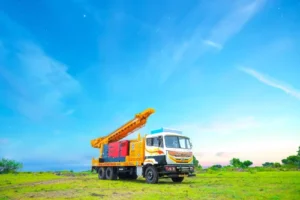
Bore hole bore water refers to groundwater extracted via drilled wells (boreholes). It’s a common water source in rural and suburban areas where municipal supply is inconsistent.
How Does Bore Water Work?
- A borehole is drilled deep into underground aquifers.
- A submersible pump draws water to the surface.
- The water may require filtration and treatment before consumption.
👉 Learn more about borewell installation here.
🧪 Common Bore Water Contaminants & Risks
Bore water can contain:
✔ Bacteria & Viruses (E. coli, Salmonella)
✔ Heavy Metals (Lead, Arsenic, Iron)
✔ Nitrates & Pesticides (Agricultural runoff)
✔ Sediment & Turbidity
🔗 Related: How to test bore water quality?
🚰 How to Ensure Clean & Safe Bore Water
✅ 1. Regular Water Testing
Test your water annually for:
- Bacterial contamination
- Chemical pollutants (fluoride, nitrates)
- Mineral content (hardness, iron)
✅ 2. Install a Filtration System
Choose the right filter based on contaminants:
- UV Filters → Kills bacteria & viruses
- Reverse Osmosis (RO) → Removes heavy metals & salts
- Sediment Filters → Blocks dirt & sand
🔗 Best bore water filters for homes
✅ 3. Maintain the Borewell System
- Schedule annual borehole inspections
- Keep the area clean to prevent surface contamination
- Ensure proper casing & sealing to avoid pollutants
🔧 DIY vs. Professional Bore Water Solutions
| Aspect | DIY Approach | Professional Solution |
|---|---|---|
| Testing Reliability | Home test kits (limited accuracy) | Lab-certified water analysis |
| Filtration Efficiency | Basic filtration | Advanced RO/UV purification |
| Cost | Lower initial cost | Long-term cost-effectiveness |
👉 For expert borewell maintenance, contact SV Drillers.
❓ Frequently Asked Questions (FAQs)
1. Is bore hole bore water safe to drink?
While bore hole bore water is naturally filtered through soil, contaminants may seep in. Always test and treat before drinking.
2. How deep should a borehole be for clean water?
Most residential boreholes range between 100 to 500 feet, depending on the water table.
3. How often should I clean my borewell?
At least once every 5 years, or sooner if you notice sand, odor, or discoloration.
4. What’s the best filtration system for bore water?
A UV + RO combination is ideal for removing bacteria, chemicals, and heavy metals.
5. Can bore water run out?
Over-extraction can deplete aquifers. Regular monitoring ensures sustainable usage.
🚀 Conclusion & Call-to-Action
Ensuring clean bore hole bore water is essential for health and longevity. By testing, filtering, and maintaining your borewell, you can enjoy a safe drinking water supply for years.
📞 Need expert help?
📞 Call us today at +91 9010444115
🌐 Visit SV Drillers for a free consultation!
🔗 Keyword & Internal Links Reference
🔸 Bore hole bore water
🔸 Bore well maintenance
🔸 Borewell installation
🔸 Bore water testing
🔸 Borewell filtration systems
For professional digital marketing services, visit our partners at Vebnox.
💡 Alt Text for Images (if used):
✔ bore-hole-drilling-process
✔ clean-bore-water-filtration-system
✔ testing-bore-water-quality
✔ borewell-maintenance-checklist
This guide ensures SEO optimization, structured readability, and mobile-friendly formatting while providing actionable advice on bore water solutions. Let us know if you need further assistance! 🚀