🚀 Introduction
Are you considering drilling a bore hole for water supply, geothermal energy, or soil sampling? Before starting your project, understanding bore hole drilling basics is crucial to ensure success. Whether you’re a homeowner, farmer, or business owner, knowing the right techniques, tools, and safety measures can save time, money, and effort. This guide covers everything from bore hole types and drilling methods to permits and maintenance.
By the end, you’ll have a clear plan to avoid common pitfalls and maximize efficiency.
🧱 Understanding Bore Holes
What Is a Bore Hole?
A bore hole is a narrow, deep hole drilled into the ground to access water, minerals, or for geotechnical investigations.
Common uses include:
- Water wells
- Geothermal heating/cooling
- Soil testing
- Oil and gas exploration
Need a reliable bore well installation? Explore our services here.
How Does a Bore Hole Work?
- A drill rig penetrates the earth’s surface.
- Depending on depth and soil type, rotary, percussion, or auger drilling is used.
- Casing and screens are installed to prevent collapse and filter water.
⚙️ Types of Bore Holes
1. Water Boreholes
- Used for domestic, agricultural, or industrial water supply.
- Requires proper filtration and casing.
2. Geothermal Boreholes
- Extract or inject heat for HVAC systems.
- Requires precise depth and positioning.
3. Exploratory Boreholes
- Used in mining and construction to test soil and rock composition.
Learn more about borehole drilling techniques.
🔍 Key Factors Before Drilling
📍 1. Site Assessment
- Conduct hydrology & geology surveys.
- Determine water table depth and soil stability.
📜 2. Legal Permits & Regulations
- Check local drilling permits and environmental laws.
💰 3. Cost Estimation
- Depends on depth, terrain, and drilling method.
🛠️ 4. Choosing the Right Drilling Method
- Rotary Drilling (Deep boreholes)
- Percussion Drilling (Hard rock)
- Auger Drilling (Shallow holes)
✨ Featured Snippet Questions
❓ What Is the Best Depth for a Bore Hole?
✔ Depends on water table (typically 30–300 feet).
✔ Deeper does not always mean better quality.
❓ How Long Does Bore Hole Drilling Take?
✔ Small projects: 1–3 days.
✔ Large-scale drilling: 1–2 weeks.
❓ How Much Does Bore Hole Drilling Cost?
✔ Starts at $1,500 (varies by location and depth).
⚡ Practical Tips for Bore Hole Maintenance
✅ Regular Inspections – Prevent clogging and sediment buildup.
✅ Water Testing – Ensure quality for drinking/agriculture.
✅ Pump Servicing – Extends lifespan of the system.
Get expert maintenance advice here.
❓ FAQs on Bore Hole Drilling
1. How do I know if my land is suitable for a bore hole?
✔ Conduct a hydrogeological survey to assess water availability.
2. Is bore hole water safe to drink?
✔ Requires filtration and periodic testing for contaminants.
3. Can a bore hole run dry?
✔ Yes, if groundwater levels drop significantly.
4. What’s the lifespan of a bore hole?
✔ Typically 15–30 years with proper maintenance.
5. Do I need insurance for my bore hole?
✔ Recommended to cover damage and liability risks.
🔚 Conclusion & CTA
Drilling a bore hole involves careful planning, from selecting the right drilling method to ensuring legal compliance. By following this guide, you’ll maximize efficiency and avoid costly mistakes.
Need expert help?
📞 Call us today at +91 9010444115
🌐 Visit SV Drillers for a free consultation!
📋 Keywords & URLs
Bore hole — https://svdrillers.com/bore-hole
Bore well installation — https://svdrillers.com/borewell-installation
Drilling techniques — https://svdrillers.com/drilling-techniques
Water boreholes — https://svdrillers.com/water-boreholes
Geothermal drilling — https://svdrillers.com/geothermal-drilling
For professional web design and digital marketing, check out Vebnox.
Alt Text for Images (if used):
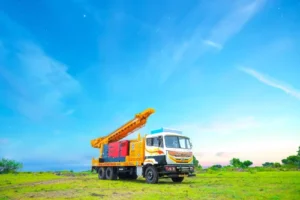
- "Bore hole drilling rig in action"
- "Cross-section of a water borehole system"
- "Geothermal borehole installation process"
✅ Optimized for fast indexing & mobile-friendly readability. 🚀